
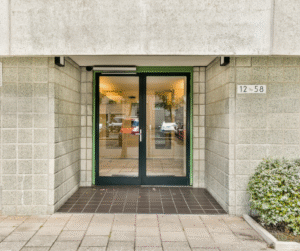
Commercial glass doors are designed to withstand years of daily use, but constant foot traffic, changing weather conditions, and normal wear can gradually affect how they operate. A door that doesn’t close completely is often just one symptom of a larger issue. Recognizing the warning signs early can help prevent more extensive damage and reduce the likelihood of costly emergency repairs.
One of the most common signs is a door that drags against the floor or threshold. This often indicates that the door has shifted out of alignment due to worn pivots, loose hardware, or settling of the building. Left unaddressed, dragging can place additional stress on the glass and surrounding frame.
Another common issue is difficulty opening or closing the door. Customers or employees may need to use excessive force, which can damage the door closer, hinges, or locking mechanisms over time. If the door suddenly slams shut or closes much faster than normal, the hydraulic closer may require adjustment or replacement.
You may also notice gaps around the edges of the door. These openings allow outside air, moisture, dust, and insects to enter your building while reducing energy efficiency. Doors that no longer latch properly can also compromise your building’s security and create safety concerns after business hours.
Additional warning signs include:
- Loose door handles or panic bars
- Oil leaking from the hydraulic door closer
- Squeaking or grinding noises
- Cracks in weatherstripping
- Difficulty locking the entrance
- Uneven spacing around the frame
- Visible wear on pivots or hinges
Scheduling professional commercial glass door repair as soon as these issues appear can extend the life of your storefront entrance while helping your business maintain a safe, professional appearance.
Why Ignoring Commercial Glass Door Problems Can Cost Your Business
A malfunctioning commercial glass door is more than just an inconvenience. It can impact your customers’ first impression, employee safety, energy costs, and even your business’s security.
For many businesses, the storefront entrance is one of the most frequently used components of the building. When customers struggle to open the door or notice it won’t close properly, it immediately creates a negative impression. A properly functioning entrance reflects professionalism and attention to detail.
Security is another major concern. Doors that fail to latch completely make it easier for unauthorized individuals to enter your building. Even a small gap can prevent locking hardware from functioning correctly, increasing the risk of theft or vandalism.
Energy efficiency also suffers when doors remain partially open. Conditioned indoor air escapes while outdoor heat and humidity enter the building, forcing HVAC systems to work harder. Over time, this can contribute to increased utility costs and reduced comfort for employees and customers alike.
Ignoring small problems often leads to larger mechanical failures. Components such as pivots, closers, hinges, and locks experience additional stress when the door is misaligned. Replacing these components early is typically much less expensive than replacing the entire storefront system after extensive damage has occurred.
Routine inspections and timely repairs help businesses avoid unnecessary downtime while protecting employees, customers, and property.
How to Keep Commercial Glass Doors Operating Smoothly
Preventative maintenance is one of the most effective ways to maximize the lifespan of commercial glass doors. A simple maintenance schedule can help identify small issues before they become expensive repairs.
Begin by visually inspecting your doors each month. Check for loose hardware, worn weatherstripping, damaged seals, and signs of corrosion. Tighten loose screws and handles whenever necessary.
Keep door tracks and thresholds free of dirt, sand, and debris. Even small particles can interfere with proper door movement and place unnecessary strain on the door closer.
Inspect the hydraulic closer for signs of oil leakage. If fluid is leaking, the closer may no longer control the opening and closing speed correctly and should be serviced.
Lubricate moving hardware according to manufacturer recommendations, paying close attention to pivots and hinges. Proper lubrication reduces friction and minimizes wear on critical components.
Business owners should also periodically verify that the door closes completely and latches securely. If the closing speed changes or the door begins drifting open, schedule an inspection before additional components become damaged.
Professional commercial door maintenance typically includes:
- Door alignment inspection
- Closer adjustment
- Pivot inspection
- Hardware tightening
- Lock testing
- Weatherstripping evaluation
- Glass inspection
- Safety compliance review
Annual preventative maintenance can significantly extend the service life of commercial storefront doors while reducing unexpected repair costs.
Why Businesses Trust Buffalo Glass
When commercial glass doors require repair, choosing an experienced contractor is essential. Buffalo Glass has extensive experience repairing commercial storefront entrances for retail stores, office buildings, restaurants, medical facilities, schools, and other commercial properties throughout the Houston area.
Their technicians understand the complexities of aluminum storefront systems, hydraulic door closers, pivots, tempered safety glass, and commercial locking hardware. Whether a door needs a simple adjustment or a complete hardware replacement, Buffalo Glass focuses on restoring safe, reliable operation as efficiently as possible.
The company also understands that damaged storefront entrances can disrupt normal business operations. Prompt service helps minimize downtime while ensuring customers and employees can safely enter and exit the building.
By combining quality workmanship with durable replacement components, Buffalo Glass helps businesses protect their investment while maintaining a professional appearance that reflects positively on their brand.
Commercial Glass Door Maintenance Checklist
Business owners can reduce repair costs by regularly inspecting their storefront entrances.
✔ Inspect door alignment monthly
✔ Verify doors close and latch completely
✔ Clean thresholds and tracks
✔ Tighten loose handles and hardware
✔ Check weatherstripping for damage
✔ Inspect door closers for leaks
✔ Listen for unusual noises
✔ Test locks regularly
✔ Examine glass for chips or cracks
✔ Schedule annual professional maintenance
Preventative maintenance not only extends the lifespan of commercial glass doors but also improves security, energy efficiency, and the overall customer experience.
Frequently Asked Questions
Why won’t my commercial glass door close completely?
A commercial glass door may not close fully due to worn pivots, a failing hydraulic door closer, loose hardware, building settlement, damaged weatherstripping, or improper alignment. A professional inspection can identify the root cause and recommend the appropriate repair.
Can a commercial glass door be adjusted instead of replaced?
Yes. Many issues involving door closers, pivots, hinges, and alignment can be corrected without replacing the entire storefront door. Repairs are often quicker and more cost-effective than full replacement.
How often should commercial glass doors be inspected?
Most commercial buildings benefit from annual inspections, while high-traffic facilities such as retail stores, hospitals, restaurants, and office buildings may require maintenance every six months to ensure safe operation.
What causes commercial door closers to fail?
Hydraulic door closers experience wear from thousands of opening and closing cycles. Leaking hydraulic fluid, damaged seals, improper adjustment, and age are among the most common reasons they stop functioning properly.
Can a door that drags on the floor damage the glass?
Yes. A misaligned door places uneven stress on both the glass and frame. Continued operation can damage pivots, hardware, thresholds, and, in some cases, increase the risk of glass failure if left unrepaired.
Why Professional Commercial Glass Door Repairs are an Investment, Not Just a Cost
While it might be tempting to ignore your door being jammed or difficult to close, commercial glass door repair is vital for keeping your business secure and your energy bill low. When it comes to commercial glass, not only can it help keep your building safe, but it also greatly contributes to your overall reputation and appeal for customers or visitors. If you want to leave a lasting first impression on all who enter your commercial building, a beautiful, well-maintained glass door can make all the difference. We value our customers and seek to provide efficient and dependable service for all our glass repairs in Houston. If you don’t believe us, take a look at our Google reviews:
“Ray and Larry did a fantastic job replacing my front door window pane that shattered from a weed-whacker/rock combo. They came out the same day to measure, and I had a replacement installed within a week despite needing fabrication and tempering. Great service all around!” – Steven Jansen
Contact Buffalo Glass today for a no-obligation commercial glass door repair quote!